
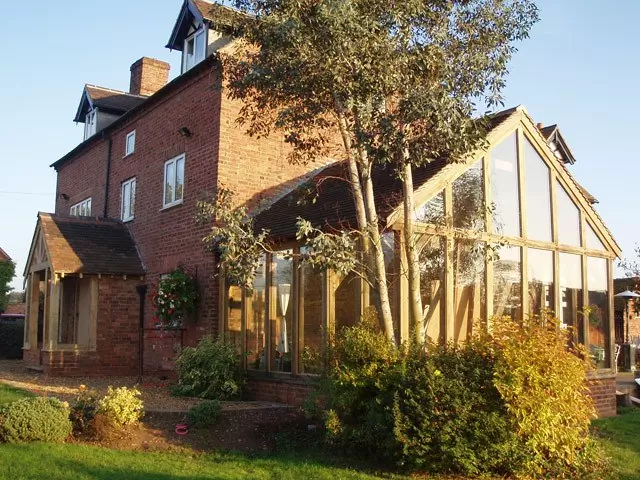
Learn about the key mistakes to avoid during a listed building renovation. Our guide can help you ensure compliance and preserve your building's character.
Using Inappropriate Materials or Techniques
Using inappropriate materials or techniques is one of the most damaging and expensive mistakes you can make during a listed building renovation project.
Historic buildings were made from breathable materials so that moisture could move through the porous masonry, lime-based mortars, timber, and finishes. Using impermeable materials can cause moisture to become trapped, which can cause the building to decay faster from the inside out.
The main culprit of this is when hard cement mortar is used to repoint soft bricks or stone. Cement is stronger and less permeable than the surrounding fabric, so the moisture is forced through the unit itself, which can lead to spalling, damaged corners, and salt crystallisation.
Similar problems also arise with gypsum plaster that's used on damp-prone walls, and plastic paints that cover up breathable surfaces. Spray-foam insulation, injected chemical DPCs, and impermeable membranes can also move the condensation points, which can create hidden rot in the building's joists and rafters.
Beyond the technical failures, using the wrong materials can also cause a lot of legal issues too. Listed building consent (LBC) frequently comes with conditions regarding which mortars, paints, repair details, and sample panels can be used. Substituting these materials on-site can breach the consent form and trigger enforcement action.
Ignoring the Building’s Historical Features
Ignoring a listed building’s historical features is one of the fastest ways to damage its significance, and by extension, your project. These features aren't just for decoration; they are evidence of how the building was made and used throughout history.
A building's plan form, staircases, windows, doors, floors, fireplaces, cornices, panelling, joinery, and historic finishes all contribute to its character. Stripping a building of these features, or covering them up, can erase the building's history.
Removing shutters, secondary sashes, or chimney pieces can disrupt the building’s environmental balance, and reducing the ventilation and thermal buffering can create condensation and mould issues.
Replacing historic glazing bars with bulky modern sections, or boxing in cornices with downlights, flattens the building's proportions and erodes the original craftsmanship. Knocking through rooms to create open plan spaces can also destroy the building's hierarchy and circulation.
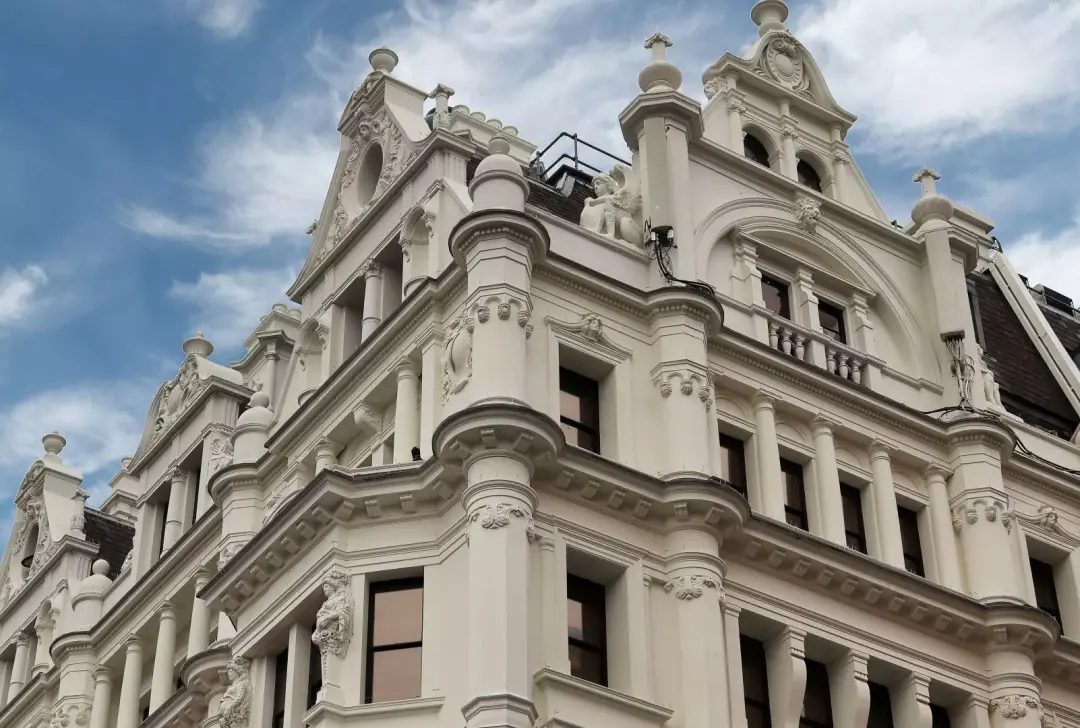
Any work that can affect a building's character requires listed building consent (LBC), and disregarding a building's original features can often cause your application to be refused.
However, fixing this issue is simple; all you need to do is survey and photograph the property, and identify what can be kept and what can be changed. When you're planning a listed building renovation, it's crucial to preserve as much of the building's authenticity as possible, while making the property comfortable and useful.
Overlooking Structural Assessments
Overlooking a structural assessment is one of the riskiest mistakes you can make regarding a listed building renovation. Historic buildings behave differently from modern ones; they have shallow foundations, flexible lime-mortared masonry, slender timbers and ageing ironwork.
Without an early assessment, hidden defects such as rot, wood-boring insect damage, corrosion, failed lintels, or inadequate lateral restraint could go unnoticed until the work begins, which can be extremely expensive.
A proper assessment by a conservation-accredited structural engineer acts as the baseline for a safe renovation project. The surveyor can confirm the building's load capacities, load-bearing elements, design unobtrusive alterations such as stainless helical bars, discreet ties, flitch plates, or pieced-in joists, and specify any temporary work so that contractors can work safely.
Failing to Meet Planning and Conservation Regulations
Failing to meet the planning and conservation regulations is one of the most damaging mistakes you can make in a listed building project.
Any work that affects a listed building’s special interest requires listed building consent (LBC), and many projects also need planning permission and building regulations approval.
Treating these consents as paperwork rather than the framework that protects the building's significance can lead to poor decisions on-site and liability for unauthorised work.
The council can prosecute you for carrying out unauthorised alterations, and they can serve enforcement notices that demand a full reinstatement.
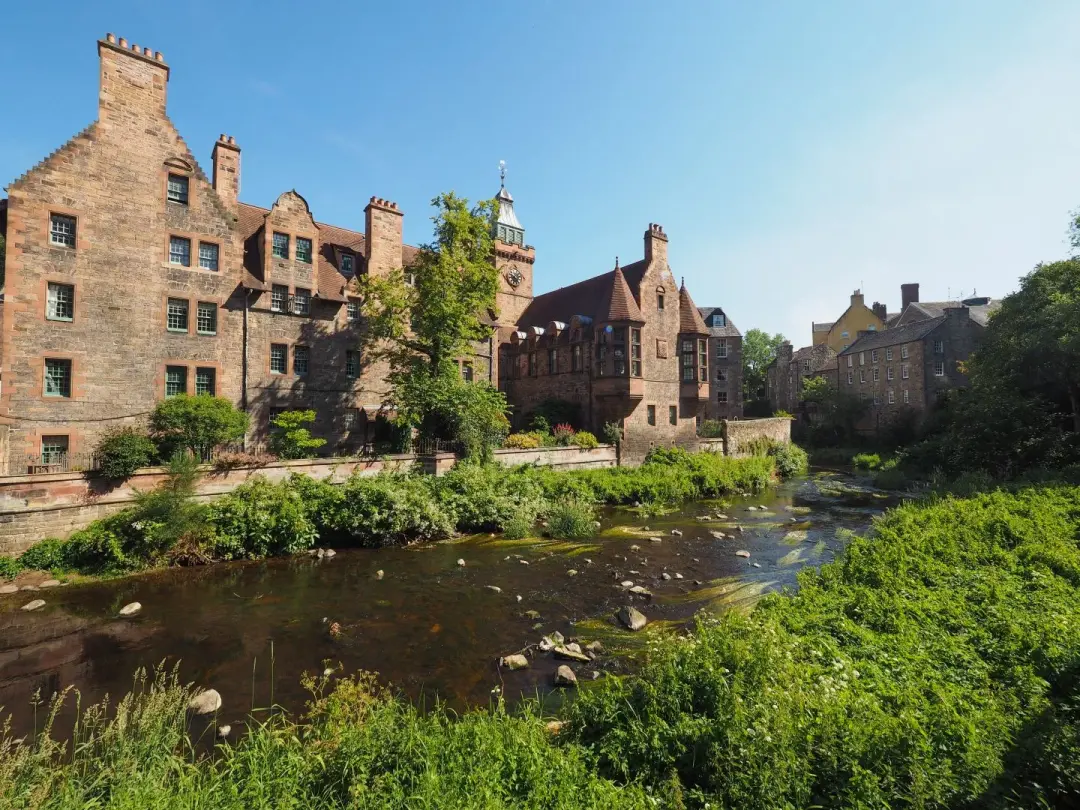
The listed building consent process validates the building's significance and ensures that compatible materials and methods are used for the panels, joinery, or mortar mixes.
Building regulations cover the building's structural adequacy, fire safety, and energy performance, with special conditions in place for historic fabric, since inappropriate materials can trap moisture and cause decay. The planning conditions must be written down before you start, and substituting any materials or changing the details on-site can breach the consent form.
At David Rudge Associates, we specialise in listed building repairs and renovations. From sensitive repairs to full refurbishments, our accredited team uses traditional materials and reversible methods to protect your building's history. We can handle consent forms, design work, and everything in between. We aim to preserve your building's character while improving its practicality.