
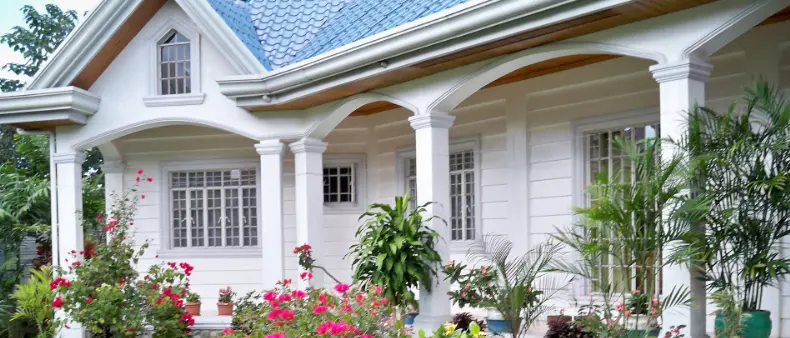
Learn about gaining Listed Building Consent Before You Renovate and why it is essential in the UK to protect a building's historic character. Our guide can help you gain approval and avoid legal issues down the line.
What is Listed Building Consent?
Listed building consent (LBC) is a type of formal permission that needs to be obtained before you demolish, alter or extend a listed building in ways that would affect its architectural or historic character.
You generally need LBC for any work that would affect the building's significance, such as replacing the windows or roof coverings, altering the building's layout, removing historic fixtures or adding extensions. Additionally, any structures within the grounds that are historically associated with the main building are known as curtilage items, and they are also treated as part of the listed building by law.
Any unauthorised work on a listed building is seen as a criminal offence in the UK, and authorities can prosecute or require the alterations to be reversed. To avoid this, it's crucial to get advice from an experienced heritage professional to improve your project's outcome and avoid delays.
Why Consent is Required for Renovations
Listed building consent needs to be obtained for renovation projects in the UK since even minor changes can diminish a listed building's architectural or historic interest.
Listed building consent verifies that the proposed work, either inside or outside, will conserve the building's significance, rather than remove or obscure it.
Renovation projects usually involve replacing fabrics, installing insulation or reconfiguring rooms. In historic structures, these interventions mean there's a risk of losing the original materials, plan form, craftsmanship, and the building's heritage.
Listed building consent ensures that any harm to the building's history is avoided or minimised, and that any unavoidable harm is justified.
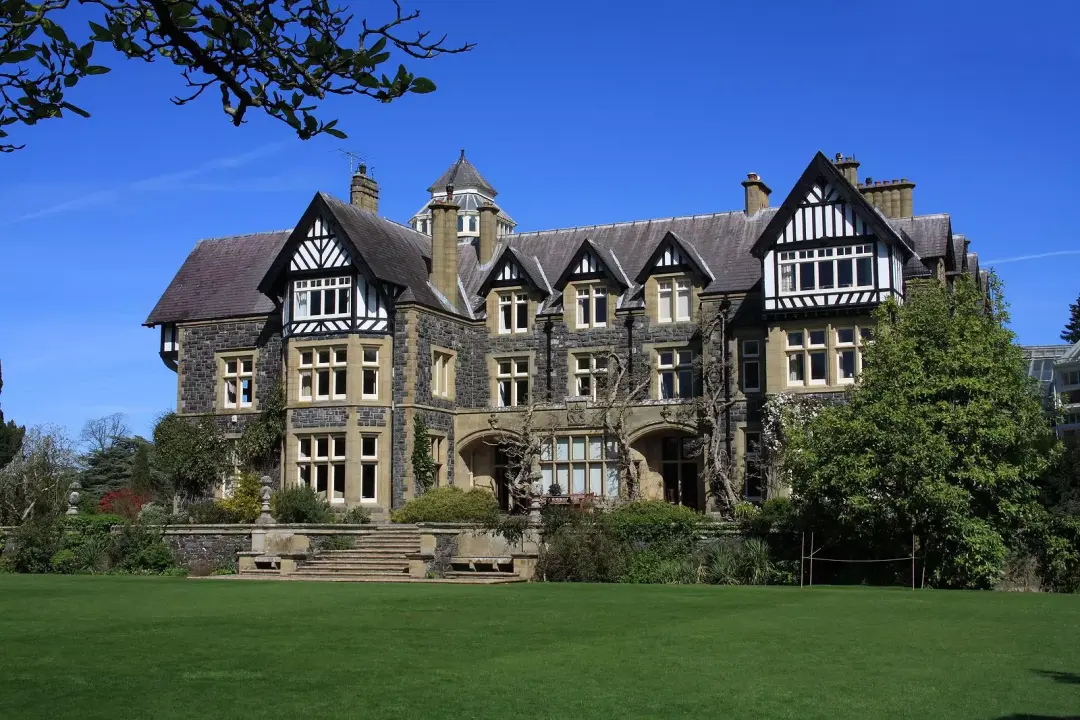
Listed building consent (LBC) also helps you use and secure the appropriate methods and materials for your project. Traditional lime mortars, compatible plasters, breathable paints, and reversible fixings often perform better in old buildings rather than modern ones, and with LBC, you can even add in energy efficiency upgrades, damp remedies or protection and structural repairs, as long as they don't create issues such as water ingress or salt decay.
Additionally, listed building consent is dependent on transparency and accountability. Applicants must provide a heritage statement that outlines the significance of their project and demonstrates that the work is proportionate and, if necessary, reversible.
Consulting with conservation officers can help you balance your private objectives with the shared interest of protecting and preserving the building's national heritage.
Types of Work That Need Approval
Listed building consent (LBC) is needed for any renovation project that would affect a listed building’s architectural or historic character.
Demolition projects are the most obvious cases where LBC is needed since it involves removing chimneys, porches, internal partitions, staircases, historic extensions and more. Extensions such as conservatories, dormers, roof terraces, balconies, and new porches also need LBC since they change the building’s form, materials and style.
External alterations that require LBC include replacing windows or doors (even with like-for-like substitutes), adding rooflights or solar panels, changing the roof coverings, repointing with different mortar, re-rendering, painting unpainted masonry, or removing historic features like railings, cornices, and rainwater features.
Additionally, adding vents, flues, satellite dishes, heat-pump units, and extraction terminals also requires LBC since these features introduce new openings or visual clutter.
Internal work that usually requires LBC includes knocking through rooms, relocating or altering the kitchens and bathrooms; lifting or replacing the original floorboards, removing fireplaces, grates, or built-in joinery; altering the plaster, cornices, panelling, or stair balustrades; and inserting new mezzanines or structural supports.
Even secondary glazing, shutters, new architraves, or fitted cabinetry can require LBC if they change the building's appearance.
How to Apply for Listed Building Consent
It's best to start your listed building consent application by gaining pre-application advice from your local conservation officer.
You can outline your proposals and share drawings or photos with them, and they can confirm whether consent is required and flag up any heritage issues that need to be addressed before you submit your application.
A conservation-experienced architect or surveyor can help shape your proposals, help you choose the appropriate materials, and design reversible details. For structural, damp or services upgrades, getting a specialist report can help you smooth out your planning application.
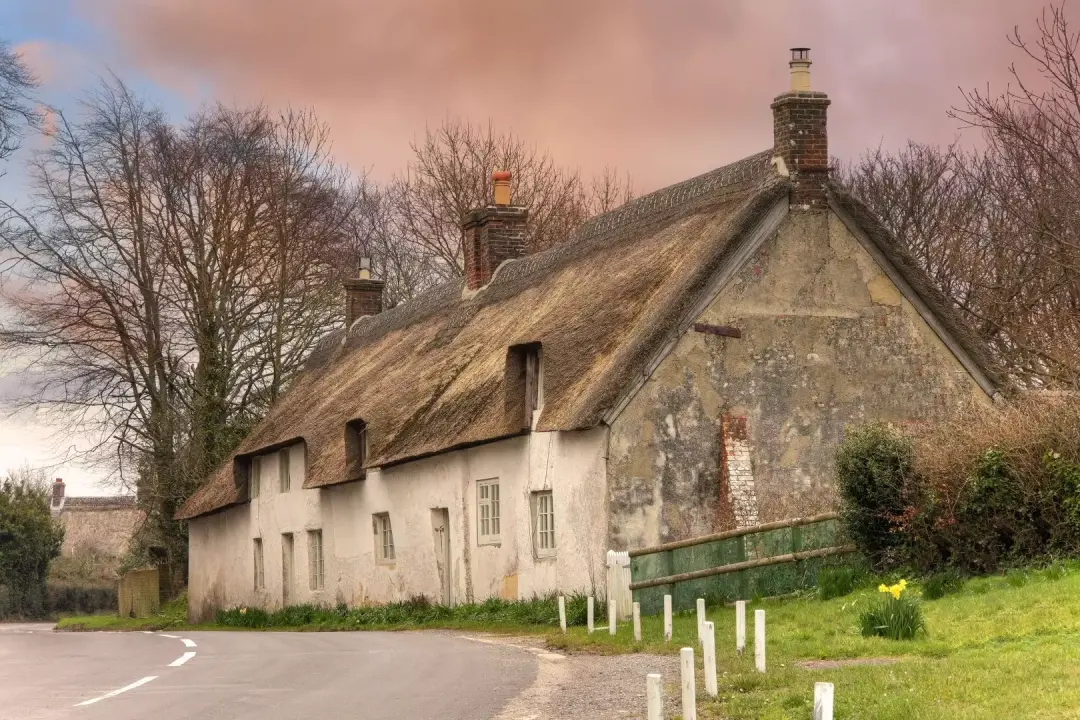
For your application, you’ll typically need an application form and ownership certificate, location and block plans, scaled drawings of your work, a detailed Schedule of Works and Method Statements, a Heritage Statement or Impact Assessment, and justification for any harm to the building; plus material specifications, photos, and any relevant structural, archaeological, or ecological reports.
You also need to check whether any separate planning permission is required for extensions or a change of use. Listed building consent is different from building regulations approval, and you may need both in order to proceed with your work.
If your application is approved, you may receive conditions controlling the materials and methods you can use, as well as time limits. However, if your application is refused, you can revise, resubmit or appeal the application. Whatever the outcome is, it's crucial not to start any work without consent; this is because unauthorised renovation projects are a criminal offence.
At David Rudge Associates, we specialise in listed building repairs and renovations in Stafford, Cannock Chase, Staffordshire. From sensitive repairs to full refurbishments, our accredited team uses traditional materials and reversible methods to protect your building's history.
We can handle consent forms, design work, and everything in between. We aim to preserve your building's character while improving its practicality.